
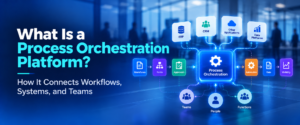
What Is a Process Orchestration Platform? How It Connects Workflows, Systems, and Teams
Most enterprises do not have a shortage of technology. They have ERP systems, CRM platforms, workflow tools, data platforms, specialized applications, and increasingly, AI. Each may perform its intended function well. The challenge is what happens between them. Business processes routinely cross system, functional, and organizational boundaries. When those connections
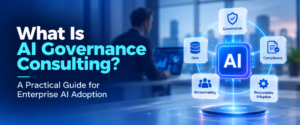
What Is AI Governance Consulting? A Practical Guide for Enterprise AI Adoption
As organizations move from experimenting with AI to deploying it across the enterprise, governance becomes increasingly important. The conversation often begins with AI policies, security, privacy, compliance, and responsible-use guidelines. Those are essential considerations. But enterprise AI governance extends beyond governing the technology itself. Organizations also need to govern the
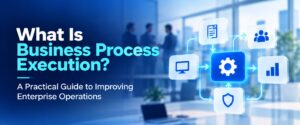
What Is Business Process Execution? A Practical Guide to Improving Enterprise Operations
Most organizations have defined processes. The bigger challenge is ensuring those processes are executed consistently across people, systems, functions, and locations. That is the role of business process execution. Business process execution is how an organization turns a defined process into repeatable action. It encompasses the workflows, responsibilities, decisions, data,
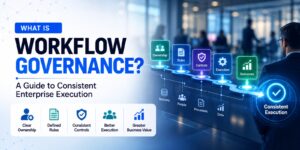
What Is Workflow Governance? A Guide to Consistent Enterprise Execution
As enterprise workflows become more connected and automated, an important question becomes increasingly difficult to answer: Who is responsible for ensuring the workflow actually works from beginning to end? That is where workflow governance becomes important. Workflow governance establishes the ownership, decision rights, business rules, controls, and accountability required to
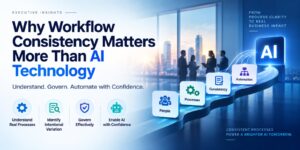
Why Workflow Consistency Matters More Than AI Technology
As organizations expand workflow automation and introduce AI into more areas of the enterprise, the consistency of the processes behind that technology becomes increasingly important. Before automating more work, leaders need to understand how work is actually being performed—and whether the variations across the enterprise are intentional, understood, and governed.
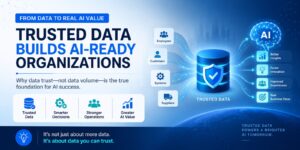
AI Doesn’t Need More Data. It Needs Data It Can Trust.
As organizations expand their use of AI, the conversation often turns to data: how much is available, where it resides, and how AI can access more of it. But becoming AI-ready is not simply about giving AI access to more enterprise data. It is about ensuring the information AI relies